What makes WA cuisine unique? Yorgo Kattan breaks it down
Wiki Article
A Taste of Western Australia: Finding the One-of-a-kind Cooking Practices in Neighborhood Food
Western Australia flaunts a diverse culinary landscape shaped by its geography and cultural heritage. From the bountiful fish and shellfish collected from its coasts to Indigenous active ingredients that narrate of the land, local cuisine reflects an ingrained connection to location. Chefs are progressively accepting sustainable methods, while modern impacts include layers of intricacy to standard meals. This combination produces a dynamic dining scene that invites expedition and exploration, hinting at the rich experiences that wait for.The Bounty of the Sea: Fresh Seafood Delights
Western Australia's coast, a stretch of immaculate waters and vivid aquatic life, provides an exceptional variety of fresh seafood thrills. Anglers gather an abundance of varieties such as delicious prawns, tender squid, and various fish that grow in the nutrient-rich waters. The region's distinct location and warm climate add to the extraordinary high quality and flavor of the fish and shellfish. Neighborhood markets overflow with freshly captured prizes, where chefs and home chefs alike look for the finest ingredients. Dining establishments proudly display these offerings, commonly prepared with very little interference to highlight their all-natural flavors. The cooking scene prospers on the connection in between the ocean and home plate, allowing restaurants to experience real significance of Western Australia's maritime bounty.Native Ingredients: A Preference of Bush Foods
The cooking landscape of Western Australia is additional enriched by the unification of native ingredients, which supply an one-of-a-kind link to the land and its history. Bush foods and native plants, such as finger limes, wattleseed, and bush tomatoes, are increasingly included in modern recipes, showing the region's rich social heritage. These active ingredients not just give distinct tastes but likewise act as a demonstration of the sustainability methods of Indigenous areas. Chefs are influenced by typical knowledge, using these components to create ingenious dishes that highlight their dietary benefits. By accepting aboriginal ingredients, the culinary scene in Western Australia promotes a deeper admiration for the environment and the stories woven into the material of its food, commemorating both previous and existing.Farm-to-Table: Celebrating Regional Create
As neighborhood farmers and craftsmens collaborate to bring fresh produce to the table, the farm-to-table motion in Western Australia embellishments, stressing the importance of community and sustainability. This initiative links customers straight with the resources of their food, promoting seasonal ingredients and decreasing the carbon footprint connected with long-distance transport (Yorgo Kattan). Markets and dining establishments significantly showcase local produce, from dynamic fruits and vegetables to artisanal cheeses and meats, celebrating the region's abundant farming heritage. Cooks often build their food selections around what is readily available from neighborhood ranches, promoting a deep respect for the land and its bounty. This method not only enhances the flavor of meals however likewise supports the regional economic situation, producing a lively culinary culture rooted in the communityMulticultural Influences: Blend Tastes of WA
Western Australia's cooking landscape is improved by a mix of native components and global cooking strategies. This combination not only showcases the distinct flavors of the area however likewise reflects the varied social influences that form its food scene. As cooks explore standard elements and modern techniques, a vivid tapestry of flavors arises, inviting expedition and recognition.Indigenous Active Ingredients Combination
While numerous cooking customs draw motivation from their surroundings, the assimilation of Native ingredients in Western Australia showcases an one-of-a-kind combination of flavors that shows the area's rich modern tapestry. Regional cooks are progressively incorporating native produce such as bush tomatoes, wattleseed, and quandongs right into their dishes. These active ingredients not just enhance the cooking landscape but likewise pay homage to the standard practices of Indigenous communities. The earthy notes of bush seasonings complement modern dishes, creating a harmonious blend of brand-new and old. This melding of Aboriginal flavors with diverse cooking techniques highlights a growing admiration for the land's heritage, promoting a much deeper link between the cuisine and its cultural beginnings while motivating innovation in the culinary scene.Worldwide Cooking Strategies
Influenced by a myriad of societies, the culinary scene in Western Australia thrives on the combination of worldwide methods that develop distinct fusion flavors. Chefs in the region draw inspiration from Asian, Mediterranean, and Middle Eastern cuisines, blending typical approaches with local ingredients. This causes innovative dishes that show the useful reference diverse cultural tapestry of WA. Techniques such as sous-vide and fermentation have found their way into regional cooking areas, improving the quality and intricacy of tastes. In enhancement, the introduction of grocery store showcases street food that marries Western staples with cooking designs and international seasonings. Because of this, Western Australia's cooking landscape comes to be a lively event of multicultural influences, offering a distinct dining experience that mesmerizes both citizens and visitors alike.Ingenious Chefs: Redefining Conventional Dishes
As cooking landscapes advance, cooks in Australia are progressively embracing innovation to breathe brand-new life right into standard meals. This pattern sees them trying out local ingredients, including modern-day methods, and reimagining classic dishes. As an example, typical damper bread is currently being infused with indigenous bush flavors, while the iconic meat pie is changed with gourmet fillings and artisan crusts. Chefs are additionally focusing on lasting methods, sourcing produce from neighborhood farms and foraging for wild ingredients. This imaginative method not just honors cultural heritage however also involves a new generation of food enthusiasts. By redefining these meals, cutting-edge cooks are capturing the significance of Western Australia's distinct cooking identity while urging a fresh gratitude for its rich practices.Lively Local Markets: A Culinary Journey
Vivid neighborhood markets in Western Australia showcase an abundance of fresh fruit and vegetables, reflecting the area's abundant agricultural heritage. These markets offer as a hub for artisan food thrills, where regional manufacturers offer special, handmade goods. Site visitors experience a culinary experience that highlights the variety and top quality of the state's offerings.Fresh Produce Abundance
Markets in Western Australia pulse with life, showcasing an outstanding variety of fresh generate that reflects the region's agricultural richness. From dynamic fruits like avocados and mangoes to a wealth of veggies, the neighborhood markets act as a representation of the area's diverse climate and productive land. Farmers happily present their natural offerings, typically gathered simply hours before the market opens. Site visitors can locate distinct selections of native natural herbs and bush tucker ingredients that include unique tastes to regional meals. The busy environment, full of the noises of chatter and laughter, enhances the experience, inviting all to explore and taste. Ultimately, these markets not only provide fresh fruit and vegetables but likewise promote a deep connection to Western Australia's culinary heritage.
Craftsmen Food Thrills
The abundance of fresh produce in Western Australia naturally results in the development of artisan food delights that boost the cooking experience. Regional markets, such as the Fremantle Markets and Margaret River Farmers Market, showcase a dynamic range of handcrafted goods, from exquisite cheeses to artisan breads and specialized protects. These useful link markets work as an event location for food enthusiasts, where they can interact with passionate producers dedicated to quality and sustainability. Site visitors usually discover one-of-a-kind tastes inspired by the area's varied cultural influences, consisting of Indigenous ingredients and global culinary techniques. This growing artisan scene not just highlights the imagination of local cooks and producers however also cultivates a sense of area, inviting all to commemorate the rich tapestry of Western Australian food.Wine and Dine: Exploring Western Australia's A glass of wine Regions
Just how does one encapsulate the significance of Western Australia's wine areas? This vast location flaunts amazing variety, with popular areas such as Margaret River, Swan Valley, and Great Southern producing remarkable glass of wines. The Margaret River region, look at more info commemorated for its Cabernet Sauvignon and Chardonnay, combines sensational landscapes with boutique wineries that supply immersive tasting experiences. Likewise, Swan Valley, one of Australia's oldest wine areas, is renowned for its fortified glass of wines and rich cultural heritage, attracting visitors to its captivating cellar doors. Meanwhile, the Great Southern region showcases a cooler environment, excellent for distinct varietals like Riesling and Pinot Noir. With each other, these areas exemplify Western Australia's commitment to top quality wine making, making it a must-visit destination for white wine fanatics and culinary adventurers alike.Frequently Asked Inquiries
What Are Popular Eating Etiquette Practices in Western Australia?
In Western Australia, preferred dining rules includes waiting on the host to begin the meal, utilizing tools properly, participating in courteous discussion, and giving thanks to the host later, mirroring regard and admiration for the eating experience.Where Can I Locate Food Preparation Courses for Regional Cuisine?
Cooking classes for local cuisine can be found at numerous cooking colleges, recreation center, and local farms throughout Western Australia. On-line systems likewise use online classes, offering available alternatives for those curious about finding out local cooking techniques.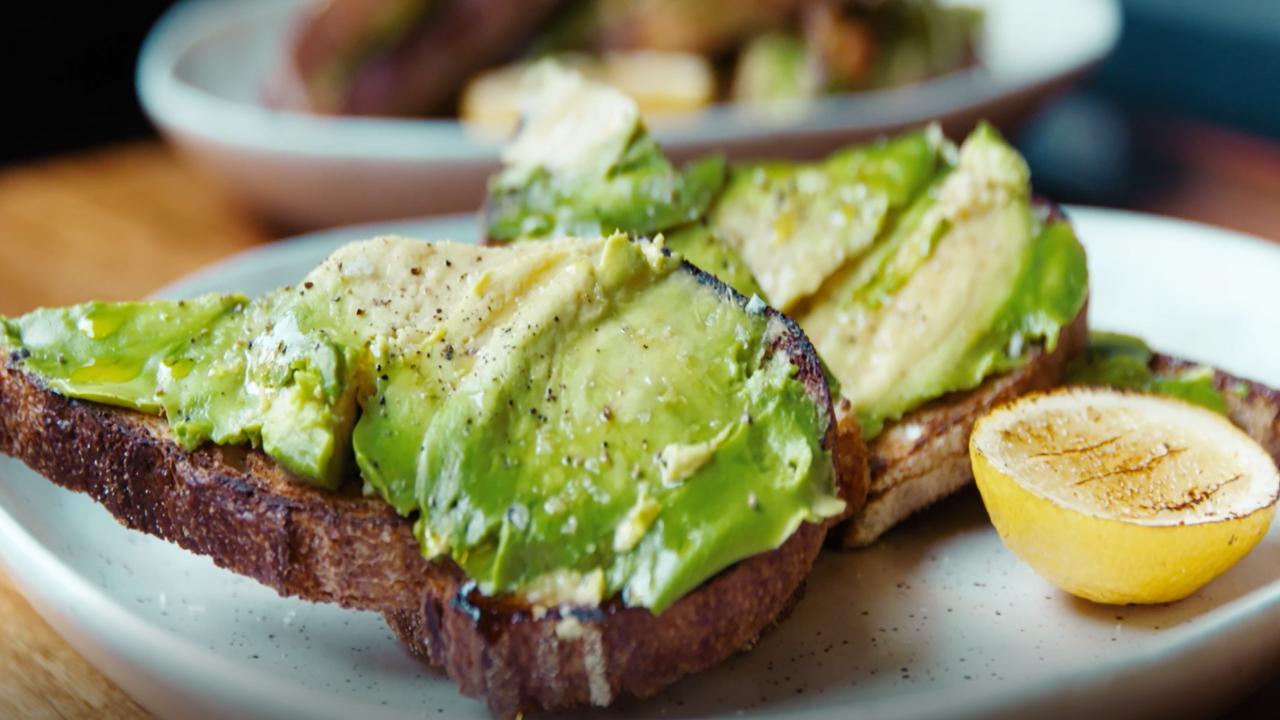
Are There Any Food Festivals Celebrating Western Australian Food?
Yes, numerous food events commemorate Western Australian cuisine, including the Margaret River Gourmet Retreat and the Perth Food Event. These occasions display regional produce, culinary ability, and one-of-a-kind tastes, drawing in food enthusiasts from far and wide.What Are Common Dietary Restrictions Accommodated in WA Restaurants?
Western Australian dining establishments commonly suit nutritional limitations such as gluten-free, vegetarian, vegan, and dairy-free options - Yorgo Kattan. Several facilities likewise deal with certain allergies, ensuring varied cooking experiences for individuals with numerous dietary needs and choicesJust How Can I Assistance Regional Farmers and Producers in WA?
Sustaining local farmers and manufacturers in WA can be accomplished by purchasing straight from farmers' markets, choosing in your area sourced ingredients in dining establishments, joining community-supported farming programs, and promoting for local food efforts within the community.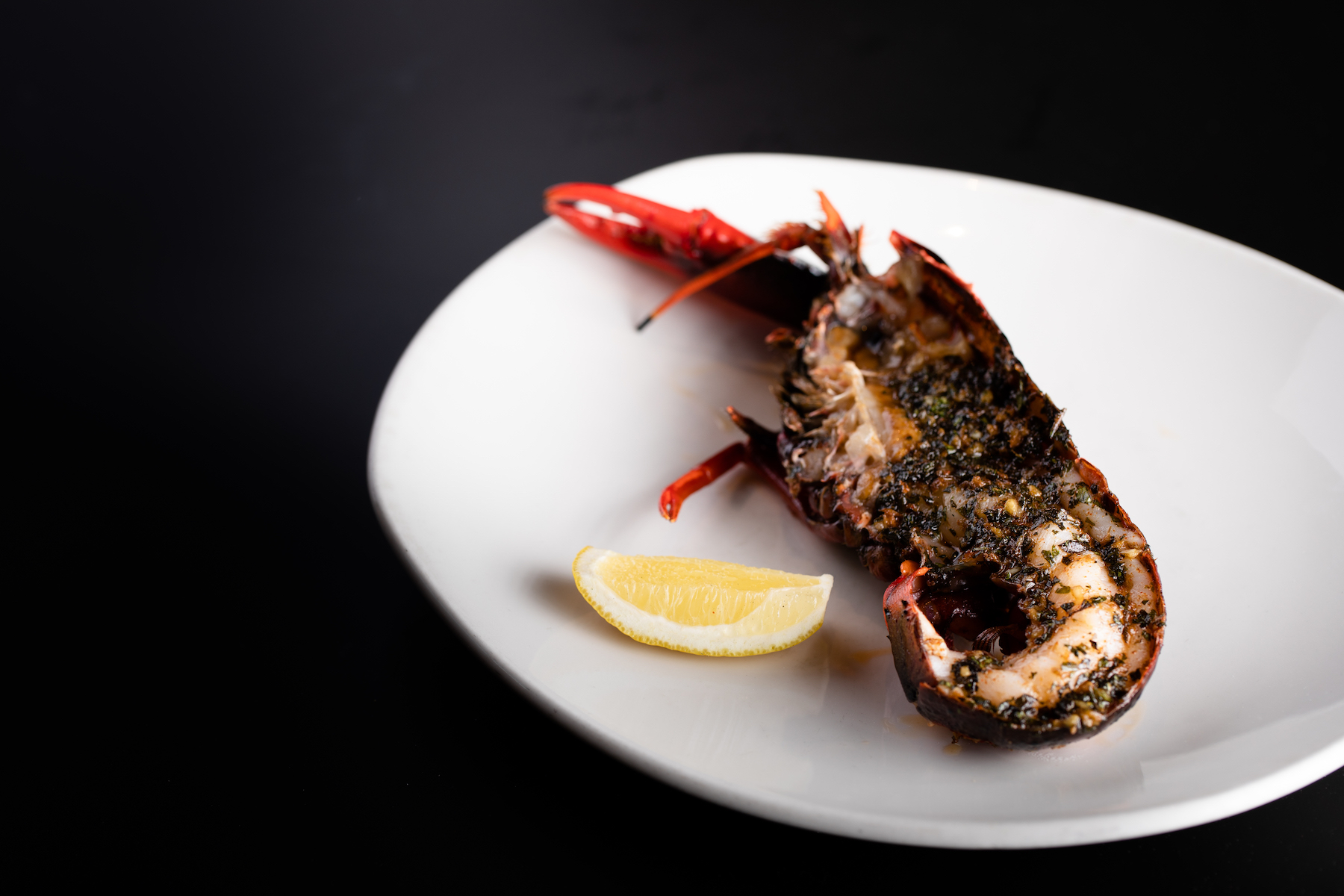
Report this wiki page